
Inverter parameter threshold
"Threshold" refers to the critical point of a certain condition or parameter, beyond which an event or change is likely to occur. In the context of variable frequency drives (VFDs), the threshold typically refers to the set limits of parameters such as voltage, current, temperature, and frequency. When the actual value exceeds these thresholds, the VFD may initiate protective measures or trigger an alarm.
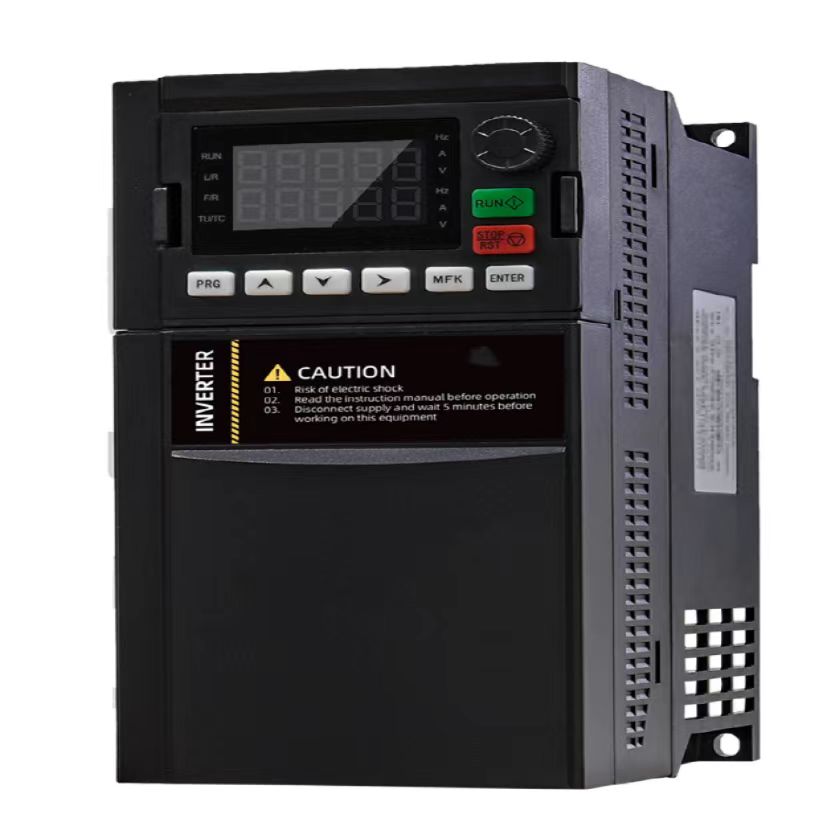
Here are some common examples of thresholds in VFDs:
1. Voltage Threshold
- Overvoltage Protection Threshold**: If the input or output voltage exceeds the set threshold, the VFD will automatically stop operation or reduce frequency to protect the equipment.
- Undervoltage Protection Threshold**: When the voltage drops below the set threshold, the VFD may activate protection to prevent equipment failure due to insufficient voltage.
2. Current Threshold
- Overcurrent Protection Threshold: If the current in the motor or circuit exceeds the maximum current threshold, the VFD will take protective actions such as reducing frequency, tripping, or shutting down.
- Undercurrent Protection Threshold: If the current falls below the set threshold, it may indicate a lightly loaded motor or an abnormal motor operation. The VFD can trigger an alarm or take other measures.
3. Temperature Threshold
- Overtemperature Protection Threshold: If the internal temperature of the VFD or motor exceeds the set safe temperature threshold, the VFD will reduce output or shut down to prevent overheating damage.
4. Frequency Threshold
- Minimum Frequency Threshold: If the VFD output frequency drops below the set minimum frequency, it may trigger protection or an alarm to prevent the motor from operating at an unsuitable frequency.
- Maximum Frequency Threshold: Exceeding this frequency may cause damage to the motor or equipment, prompting the VFD to limit frequency increase or stop output.
5. Torque Threshold
- Overtorque Protection Threshold: If the motor's output torque exceeds the set maximum torque threshold, the VFD can take measures to prevent mechanical damage or motor overload.
6. Stall Protection Threshold
- This is used to prevent the motor from stalling under heavy load (i.e., the motor speed drops below the load demand). When the motor speed is detected to be below the set threshold, the VFD will automatically reduce output power or shut down.
These thresholds are typically configured through the VFD's settings menu or parameter table. Correctly setting these thresholds is crucial for the safe operation of the VFD, as it can effectively prevent equipment damage and enhance system reliability.